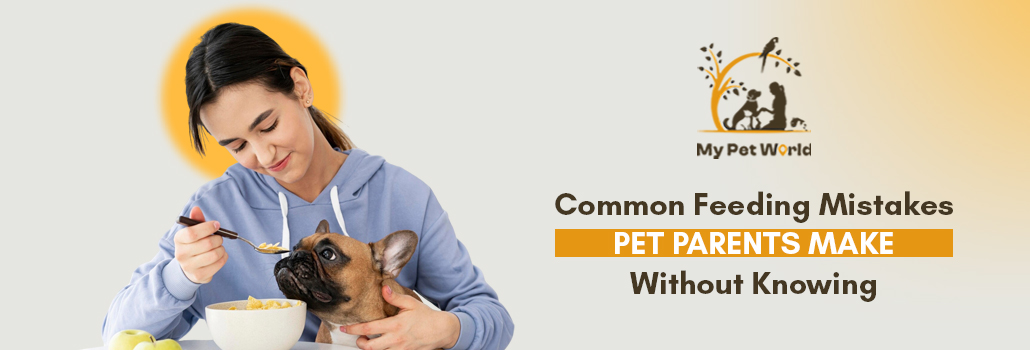
Feeding your pet may seem simple, but many loving pet parents unknowingly make mistakes that can affect their pet’s long-term health, behavior, and weight. From overfeeding to ignoring life-stage needs, these errors can quietly reduce your pet’s quality of life. Understanding these mistakes and learning how to correct them is a key part of responsible pet parenting.
Overfeeding Without Realizing
One of the most common mistakes is overfeeding, often without noticing. Extra treats, larger portions than recommended, or frequent table scraps can quickly add up. While it may seem harmless, overfeeding can lead to obesity, joint strain, low energy, and increased risk of diabetes or heart problems. Even active pets can suffer if their caloric intake consistently exceeds their energy expenditure.
Portion control is key. Use measuring cups or a food scale to ensure your pet gets the right amount. Remember, what seems “a little extra” can accumulate over days and weeks, affecting their overall health.
Inconsistent Feeding Schedules
Another overlooked mistake is feeding at irregular times. Pets thrive on routine, and inconsistent meal schedules can confuse their internal clocks. This can lead to digestive issues, stress, anxiety, and even unwanted begging behavior.
Dogs and cats alike benefit from scheduled meals. For instance, feeding adult dogs twice a day at the same times or offering cats multiple small meals throughout the day helps maintain metabolism and digestive health.
Treats as a Love Language
Treats are an effective way to reward pets or show love, but giving too many treats reduces their nutritional balance and can lead to weight gain. Treats should support training, enrichment, or dental health, not replace main meals.
Opt for healthy, low-calorie treats and avoid using food to compensate for a lack of interaction. Treats also work best when given intentionally, not mindlessly throughout the day.
Ignoring Life Stage Needs
Pets’ nutritional requirements change as they age. Puppies, adult dogs, senior dogs, kittens, and adult cats all have different needs in terms of protein, fat, vitamins, and minerals. Feeding the same formula long-term may fail to provide adequate nutrients for growth, energy, or aging support.
Switching diets according to life stage or consulting a vet for special dietary needs is essential. Life-stage appropriate nutrition helps prevent obesity, nutrient deficiencies, and other health complications.
Not Monitoring Behavior After Meals
Your pet’s behavior after meals can reveal a lot. Changes in energy levels, stool consistency, or mood can signal food intolerance, allergies, or poor-quality ingredients. For instance:
- - Sudden lethargy may indicate insufficient calories or malnutrition
- - Diarrhea or vomiting can signal food sensitivity
- - Excessive scratching or skin problems may relate to protein or ingredient issues
Monitoring these signs helps you intervene early and adjust diet before problems worsen.
Additional Tips for Healthy Feeding:
- Hydration matters: Always provide fresh water alongside meals.
- Use interactive feeders: Puzzle feeders can slow down fast eaters and stimulate mental activity.
- Measure, don’t guess: Even small portion errors can add up over time.
- Avoid table scraps: Human food can be high in fat, salt, or toxic ingredients.
Feeding your pet correctly isn’t just about keeping them full, it’s about maintaining energy, health, and happiness for years to come. Small adjustments can make a big difference.