How to spot problems early and protect your pet’s gut health
Digestive health plays a major role in your pet’s overall wellbeing. Just like humans, cats and dogs can experience stomach and gut issues and when left unnoticed, these problems can quickly affect their energy, mood, and immunity. The good news? Most digestive issues show early warning signs if you know what to look for.
In this guide, we’ll walk you through the early signs of digestive problems in cats and dogs, what they might mean, and how pet parents can take action early to keep their furry friends healthy and happy.
Why Digestive Health Matters for Pets
Your pet’s digestive system is responsible for breaking down food, absorbing nutrients, and supporting immune health. When something goes wrong whether it’s food intolerance, parasites, stress, or infection it often shows up in small but noticeable ways.
Catching digestive issues early can:
- Prevent dehydration and weight loss
- Reduce discomfort and pain
- Avoid costly vet emergencies
- Improve your pet’s quality of life
Early Signs of Digestive Issues in Cats & Dogs
1. Changes in Appetite
One of the first red flags is a sudden change in eating habits.
- Eating much less (or refusing food)
- Sudden increase in hunger
- Taking longer than usual to finish meals
If your pet skips meals for more than 24 hours especially cats it’s time to pay attention.
2. Vomiting (More Than Once)
Occasional vomiting can happen, especially with hairballs in cats. But frequent vomiting is not normal. Watch for:
- Repeated vomiting in a short time
- Vomiting after every meal
- Presence of foam, bile, or undigested food
These may indicate food intolerance, infections, or gastrointestinal inflammation.
3. Diarrhea or Constipation
Changes in stool are one of the clearest signs of digestive trouble.
Look out for:
Look out for:
- Loose or watery stool
- Very hard or dry stool
- Mucus or unusual odor
- Straining during bathroom time
Keeping a simple bathroom routine log (yes, it matters!) can help you notice patterns early.
4. Excessive Gas or Bloating
- If your pet suddenly has:
- A bloated abdomen
- Excessive gas
- Visible discomfort after meals
This may be caused by swallowing air, poor digestion, or food sensitivity—and should not be ignored.
5. Lethargy and Low Energy
Digestive issues don’t just affect the stomach. Pets may become:
- Less playful
- Sleepy or withdrawn
- Reluctant to walk or jump
If your usually energetic dog or curious cat seems “off,” digestion could be the hidden cause.
6. Weight Loss or Poor Coat Condition
Long-term digestive problems can lead to poor nutrient absorption, resulting in:
- Sudden or gradual weight loss
- Dull, dry, or shedding fur
- Increased skin issues
These signs often appear together and are a strong signal to seek help.
What Causes Digestive Issues in Pets?
Common causes include:
- Sudden diet changes
- Low-quality food
- Food allergies or intolerance
- Parasites
- Stress or anxiety
- Eating foreign objects
Using trusted pet products and maintaining a consistent feeding routine can significantly reduce risks.
When Should You See a Vet?
You should consult a vet if:
- Symptoms last more than 24–48 hours
- There’s blood in vomit or stool
- Your pet seems in pain
- There’s rapid weight loss or dehydration
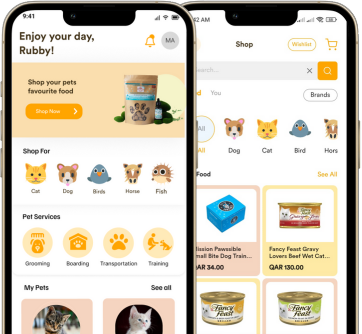
📍 With My Pet World, you can easily find trusted vets, book services, and even get guidance through Fido, our AI assistant—available anytime you need quick answers.
Final Thoughts
Digestive issues in cats and dogs often start small—but they rarely stay that way. By staying observant and acting early, you can protect your pet from unnecessary discomfort and long-term health problems.
💚 Be proactive. Track habits. Shop smarter. Get support when it matters.
Download My Pet World and make pet parenting simpler, healthier, and stress-free.
Download My Pet World and make pet parenting simpler, healthier, and stress-free.