
Every pet is unique, but happiness in cats and dogs generally stems from a combination of physical activity, mental stimulation, emotional connection, and a sense of security. Recognizing these universal triggers helps pet parents provide a fulfilling life for their furry companions.
Happiness isn’t just about toys and treats; it’s about creating an environment that addresses both physical and emotional needs. Paying attention to the little things, like playtime, nutrition, and comfort, can make a huge difference in your pet’s daily mood and overall well-being.
1. Physical Activity and Play
Physical activity is a cornerstone of pet happiness.
Dogs: Daily walks, fetch, tug-of-war, and safe outdoor play release energy, reduce stress, and improve mood. Active dogs tend to be healthier, more confident, and less likely to develop behavioral problems.
Dogs: Daily walks, fetch, tug-of-war, and safe outdoor play release energy, reduce stress, and improve mood. Active dogs tend to be healthier, more confident, and less likely to develop behavioral problems.
- Cats: Short, interactive play sessions, climbing towers, and hunting-style toys mimic natural behaviors, keeping cats mentally and physically engaged.
Regular activity not only maintains a healthy weight but also promotes mental sharpness and emotional balance, contributing to long-term happiness. Even small amounts of daily play can have a profound impact on mood and energy levels.
2. Balanced Nutrition and Healthy Treats
A nutritious diet fuels both energy and contentment. Balanced meals and safe treats support health, energy levels, and mental well-being.
Safe human foods like cooked chicken, carrots, or blueberries can be offered in moderation.
Portion control is important, and introducing a variety of safe treats keeps mealtime exciting.
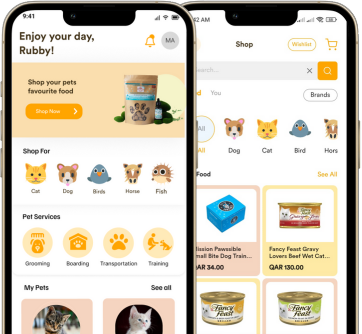
Helpful tools like Fido, the AI assistant in My Pet World, provide guidance on safe foods and treats, making it easy for pet parents to make informed decisions. From portion sizes to food safety tips, AI tools give you confidence in supporting your pet’s nutrition without guesswork.
Safe human foods like cooked chicken, carrots, or blueberries can be offered in moderation.
Portion control is important, and introducing a variety of safe treats keeps mealtime exciting.
Helpful tools like Fido, the AI assistant in My Pet World, provide guidance on safe foods and treats, making it easy for pet parents to make informed decisions. From portion sizes to food safety tips, AI tools give you confidence in supporting your pet’s nutrition without guesswork.
3. Bonding and Social Interaction
Pets thrive on attention and companionship.
Dogs often enjoy physical affection, playtime, and verbal praise. Spending time together strengthens your bond, reduces anxiety, and promotes trust.
Cats may prefer quieter interactions, like gentle petting sessions or engaging play, but still benefit from consistent social connection.
Daily bonding activities, even as short as a few minutes, help pets feel loved and secure, increasing their overall happiness.
Dogs often enjoy physical affection, playtime, and verbal praise. Spending time together strengthens your bond, reduces anxiety, and promotes trust.
Cats may prefer quieter interactions, like gentle petting sessions or engaging play, but still benefit from consistent social connection.
Daily bonding activities, even as short as a few minutes, help pets feel loved and secure, increasing their overall happiness.
4. Mental Stimulation
Pets need challenges to stay engaged and prevent boredom.
Puzzle toys or treat-dispensing games encourage problem-solving.
Training sessions with positive reinforcement offer mental exercise while deepening the human-animal bond.
Safe exploration of new environments adds novelty and excitement.
Mental stimulation is especially important for indoor pets, as it keeps them active and prevents behavioral issues linked to boredom or frustration.
Puzzle toys or treat-dispensing games encourage problem-solving.
Training sessions with positive reinforcement offer mental exercise while deepening the human-animal bond.
Safe exploration of new environments adds novelty and excitement.
Mental stimulation is especially important for indoor pets, as it keeps them active and prevents behavioral issues linked to boredom or frustration.
5. Comfort, Routine, and Security
A secure and comfortable environment is vital for emotional well-being:
Provide cozy bedding and quiet resting spots.
Maintain consistent routines for meals, walks, and playtime.
Ensure your home environment is safe, calm, and predictable.
Pets that feel secure are more relaxed, sleep better, and show more positive behaviors, contributing to a happier and healthier life.
Using Tools and Resources to Support Happiness
While attention, play, and nutrition are essential, modern tools can help enhance your pet’s happiness. Fido, the AI assistant in My Pet World, can suggest activities, feeding tips, and play ideas tailored to your pet’s needs. Alongside this, the shop provides healthy treats and toys, and services help keep pets active, engaged, and well-cared-for. Using these resources can make it easier to maintain consistent happiness triggers without adding extra stress for pet parents.
Key Takeaways
Happiness in cats and dogs comes from a careful balance of:
Play and physical activity to release energy and stay fit
- Proper nutrition and safe treats for health and satisfaction
- Bonding and social interaction to feel loved and secure
- Mental stimulation to prevent boredom and encourage positive behavior
- Comfort, routine, and a safe environment to provide stability and peace
Focusing on these universal triggers ensures pets live happier, healthier, and more fulfilling lives every day.