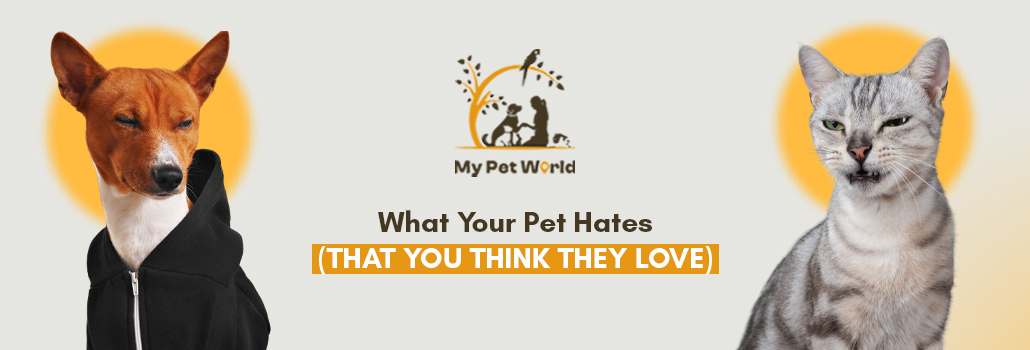
Many pet parents believe they are expressing love in the best possible way, yet not all gestures are interpreted the same way by pets. What feels affectionate, playful, or harmless to humans can sometimes create stress, confusion, or even discomfort for animals. Understanding these hidden dislikes is essential for building a deeper, more respectful relationship with your pet and improving their overall wellbeing.
One of the most common misunderstandings revolves around physical affection. While social media often shows pets enjoying hugs and kisses, many animals do not naturally perceive these actions as positive. Dogs, for instance, may tolerate hugs rather than enjoy them, often displaying subtle signs of discomfort such as turning their head away, yawning, licking their lips, or stiffening their body. Cats are even more selective, usually preferring affection only when they initiate it. Ignoring these signals may weaken trust over time and create unnecessary stress in your pet’s daily life.
Another important factor that is often overlooked is overstimulation. Many pet parents assume that more playtime, more toys, and constant interaction will lead to a happier pet. However, pets also need quiet time to rest and process their environment. Continuous noise, frequent handling, and constant engagement especially in busy households can overwhelm them. This is particularly true for indoor pets who may already face limited stimulation. Creating a balanced routine that includes both active play and calm downtime is essential for maintaining emotional stability.
Social interaction is another area where assumptions can lead to discomfort. Not all pets enjoy meeting new people or interacting with other animals. Forcing these interactions can result in anxiety or defensive behavior. Every pet has a unique personality, and understanding whether your pet is social, shy, or independent allows you to create experiences that align with their comfort level. Observing their body language in different situations can provide valuable insight into their true preferences.
Even everyday habits like dressing pets in outfits or grooming them too frequently can become sources of discomfort. While these activities may seem harmless or even enjoyable from a human perspective, they can restrict movement or create stress for pets that are not accustomed to them. Prioritizing your pet’s comfort over trends or aesthetics is key to ensuring their happiness.
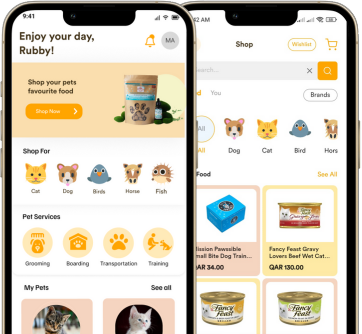
Recognizing these subtle dislikes becomes easier when you actively track your pet’s behavior over time. Using Apps like My Pet World allows you to build a detailed pet profile, monitor their reactions, and identify patterns in their behavior. This helps you better understand what your pet truly enjoys and what they prefer to avoid, leading to more informed decisions.
Additionally, features like My Pet World Socialize allow you to connect with other pet parents who may have experienced similar challenges. Learning from a community can help you notice behaviors you might otherwise overlook and give you new ideas for improving your pet’s daily life.
At its core, being a great pet parent is not about doing more it is about understanding better. Paying attention to your pet’s signals, respecting their boundaries, and adapting your behavior accordingly can significantly improve their quality of life and strengthen your bond over time.