Choosing the right food for your pet can feel overwhelming. Walk into any pet store and you'll find shelves filled with products labeled "natural," "premium," "grain-free," or "high in protein." While these claims may sound impressive, they don't always tell the full story. Understanding how to read a pet food label is one of the best ways to make informed decisions and support your pet's long-term health.
The first place to look isn't the front of the package it's the ingredient list. Ingredients are listed in descending order by weight, meaning the first few ingredients make up the largest portion of the food. Ideally, you'll want to see a named protein source, such as chicken, salmon, lamb, or turkey, listed near the top. Protein is essential for building muscle, supporting the immune system, and providing the energy your pet needs to stay active.
A long ingredient list isn't necessarily a bad sign. Many high-quality pet foods include fruits, vegetables, healthy fats, vitamins, and minerals that contribute to a balanced diet. Ingredients like pumpkin can support digestion, fish oil provides omega-3 fatty acids for healthy skin and a shiny coat, while blueberries and carrots offer valuable antioxidants and nutrients.
One common misconception is that ingredients with scientific names are automatically harmful. In reality, many of these are simply vitamins or minerals listed by their technical names. Instead of focusing on unfamiliar words, consider the overall nutritional balance and whether the food comes from a trusted manufacturer.
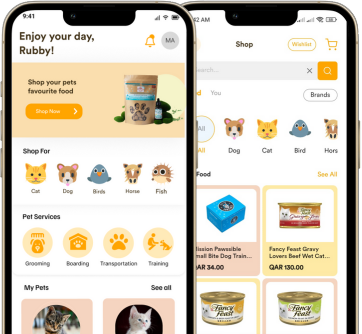
If you're exploring different food options and trying to make informed choices, you can also browse the My Pet World Shop, where pet owners can conveniently find food, treats, and other pet essentials in one place.
Another important section to check is the guaranteed analysis. This provides the minimum percentage of protein and fat, along with the maximum levels of fiber and moisture. While these numbers don't tell the complete nutritional story, they make it easier to compare different foods. Active dogs, for example, often require higher protein levels than less active pets, while indoor cats may benefit from diets formulated to help maintain a healthy weight.
It's equally important to choose food that's appropriate for your pet's age and lifestyle. Puppies and kittens need more calories and nutrients to support healthy growth, while adult and senior pets have different nutritional requirements. Breed, size, activity level, and any underlying medical conditions should also be considered when selecting a diet.
Marketing terms can sometimes be misleading. Words like "natural," "premium," and "holistic" aren't always indicators of better nutrition. Rather than relying on attractive packaging, take a closer look at the ingredient list and choose foods that provide complete and balanced nutrition for your pet's life stage.
Feeding the right amount is just as important as choosing the right food. Even high-quality diets can contribute to obesity if portions are too large. Feeding guidelines on the package offer a useful starting point, but your pet's ideal portion depends on factors such as age, activity level, metabolism, and body condition. Monitoring your pet's weight regularly can help you make adjustments before excess weight becomes a health concern.
If you're unsure whether your pet's current diet is meeting their nutritional needs, don't guess. Through My Pet World Services, you can book an appointment with a trusted veterinarian who can help assess your pet's health and recommend the most suitable diet based on their age, lifestyle, and individual needs.
Whenever you decide to change your pet's food, do it gradually over the course of seven to ten days. Slowly mixing the new food with the current one allows your pet's digestive system to adjust and reduces the likelihood of stomach upset.
Learning how to read pet food labels takes a little practice, but it quickly becomes one of the most valuable skills you can develop as a pet owner. Looking beyond marketing claims and understanding what each ingredient contributes will help you make confident decisions that support your pet's health for years to come.
Once you've found the right diet for your pet, maintaining consistency is just as important. Whenever it's time to restock, you can easily access the My Pet World Shop through the app alongside the other tools designed to help you care for your pet.
Choosing your pet's food is about more than filling a bowl t's about supporting their overall health, energy, and quality of life. By understanding pet food labels and focusing on balanced nutrition instead of marketing buzzwords, you'll be better equipped to give your furry companion the healthy, happy life they deserve.