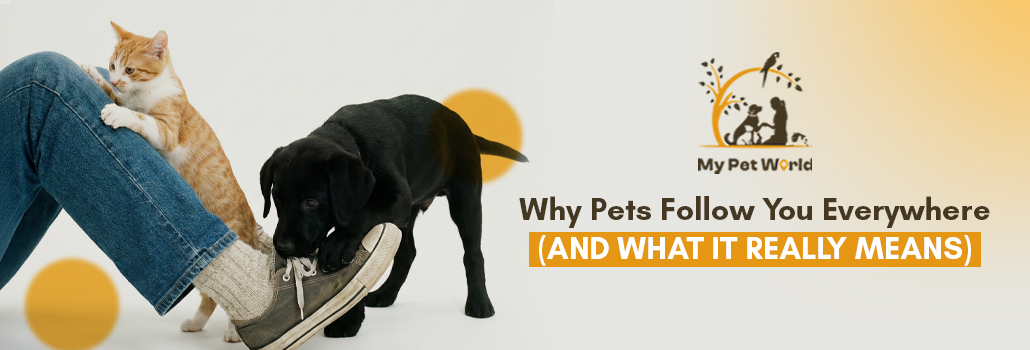
If you’ve ever stood up from the couch only to notice your dog or cat immediately trailing behind you, you’re not alone. For many pet parents, being followed from room to room is a daily occurrence, and while it can feel adorable (or slightly confusing), this behavior actually carries deeper meaning.
Pets don’t follow their humans randomly. Whether you live with a loyal dog or a seemingly independent cat, this habit often reflects emotional, instinctive, and environmental factors that are worth understanding.
Instincts Rooted in Survival
For dogs, following behavior is closely tied to their pack mentality. In the wild, dogs rely on their group for safety, direction, and survival. As a pet, you become the pack leader, and staying close is a natural instinct.
Cats, while more solitary by nature, also form strong attachments. In multi-cat environments or feral colonies, cats observe and follow figures they trust. When a cat follows you, it often means you represent safety, consistency, and access to resources.
Attachment and Emotional Bonding
One of the most common reasons pets follow their owners is emotional attachment. Your presence brings comfort, reassurance, and familiarity.
Pets associate you with:
- Food and treats
- Playtime and stimulation
- Calmness and security
- Positive attention
Following you can be your pet’s way of maintaining emotional closeness especially in moments when they feel unsure, bored, or simply want connection.
Curiosity and Mental Stimulation
Pets are naturally curious. When you move, you signal that something might be happening.
- Are you opening food?
- Going outside?
- Starting an activity?
- Changing the environment?
For pets with high intelligence or energy levels, following you provides mental stimulation and breaks up the monotony of the day. This is especially true for indoor pets or those left alone for long hours.
Routine and Predictability
Pets thrive on routine. Over time, they learn your patterns:
- Morning schedules
- Meal prep habits
- Walk times
- Work-from-home movement
When you stand up, your pet may assume it’s time for something familiar and they don’t want to miss it. This doesn’t necessarily mean neediness; it often reflects how well they’ve learned your daily rhythm.
Is It Always a Good Thing?
While following behavior is usually harmless and affectionate, constant shadowing can sometimes indicate unmet needs.
Watch for signs such as:
- Anxiety when you leave the room
- Destructive behavior when alone
- Excessive vocalization
- Restlessness or pacing
These may suggest boredom, separation anxiety, or lack of enrichment rather than simple attachment.
How to Support a Healthy Balance
You don’t need to stop your pet from following you, but supporting their independence is just as important.
Encourage Enrichment
Interactive toys, puzzle feeders, scratching posts, or scent-based games can keep pets mentally engaged without relying entirely on your presence.
Create Safe Spaces
Design cozy, quiet spots where your pet can relax independently. This builds confidence and emotional security.
Design cozy, quiet spots where your pet can relax independently. This builds confidence and emotional security.
Balance Attention
Short, intentional play sessions throughout the day often reduce clingy behavior more effectively than constant attention.
Stay Informed
Sometimes behavior changes suddenly, leaving pet parents unsure whether it’s emotional or health-related. Having access to reliable information makes decision-making easier.
Many pet parents turn to Fido, the AI assistant inside the My Pet World app, when questions pop up unexpectedly whether it’s about behavior changes, anxiety signs, or daily care concerns. And when pets need extra support, enrichment tools, services, and trusted products can make a noticeable difference in their routine and wellbeing.
Key Takeaways
- Pets follow their humans due to instinct, attachment, curiosity, and routine.
- Dogs often follow out of pack loyalty, while cats follow due to trust and bonding.
- Occasional following is normal, but constant shadowing may signal unmet needs.
- Mental stimulation, structure, and safe independence support emotional balance.
Understanding why your pet follows you helps strengthen your bond while ensuring their emotional needs are fully met.